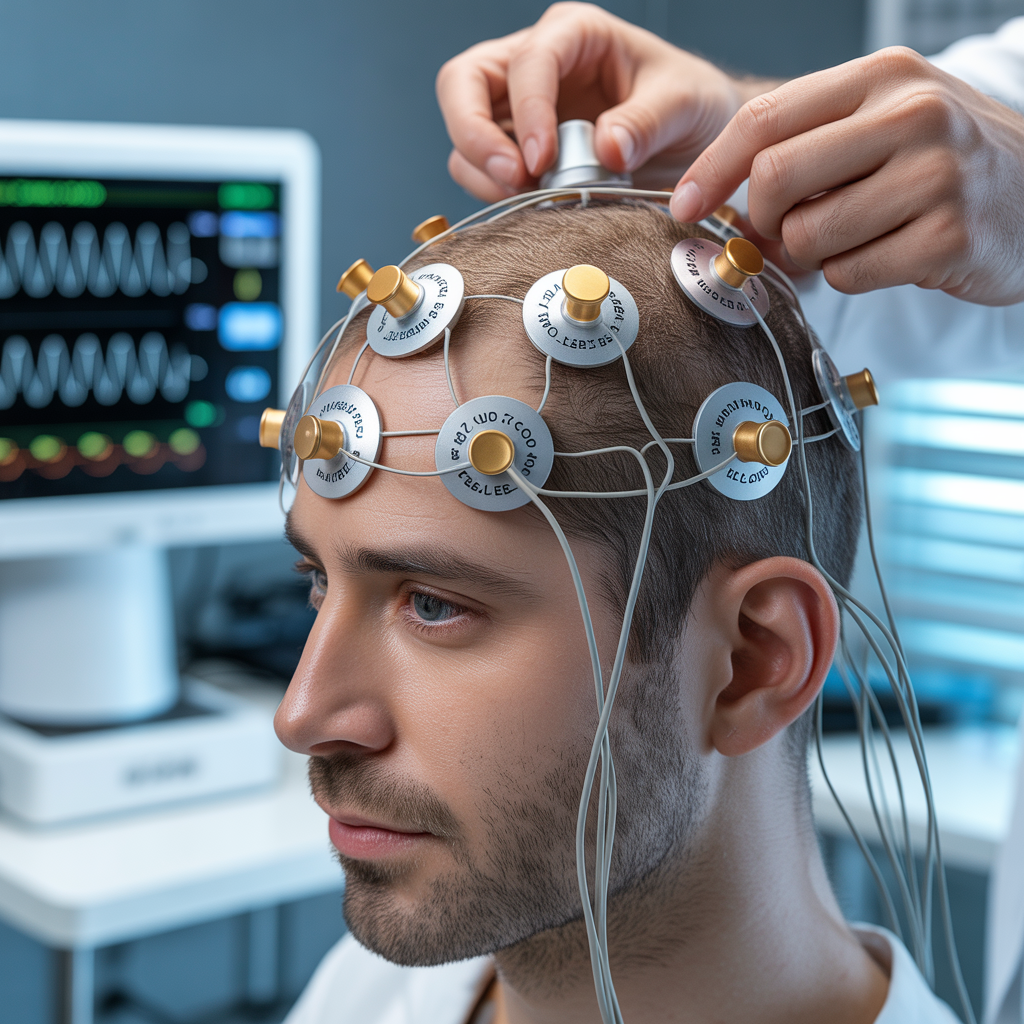
Precise electrode placement forms the foundation of accurate neurodiagnostic testing. As a professional in this field, your ability to capture clear signals directly impacts patient outcomes. A slight miscalculation in placement can lead to artifacts, poor signal quality, or an incorrect clinical reading.
This guide explores standard placement systems, technical properties, and best practices to help you refine your technique and capture reliable data every time.
Standard Placement Systems
Consistency is vital when recording electrical activity from the human nervous system. Utilizing standardized methods ensures that tests remain reproducible across different clinics and technologists.
The 10-20 International System
The 10-20 system is the universally accepted method for EEG electrode placement. It uses specific anatomical landmarks to ensure proportional spacing across the scalp. The distances between adjacent electrodes are calculated as either 10 percent or 20 percent of the total front-to-back or right-to-left distance of the skull. This proportional approach guarantees consistent coverage regardless of the patient’s head size.
Specialized IONM Montages
Intraoperative neuromonitoring (IONM) requires highly customized montages. These specialized setups isolate distinct neural pathways during complex surgeries. Precision in the operating room is critical for providing surgeons with real-time feedback and preventing permanent nerve damage.
Technical Properties of Electrodes
Understanding the physical properties of your equipment helps you choose the right tools for specific clinical scenarios.
- Material Conductivity: Gold cup electrodes resist oxidation and provide highly stable recordings for long-term monitoring. Conversely, Silver/Silver-Chloride (Ag/AgCl) electrodes offer excellent low-frequency response and minimal polarization. This makes Ag/AgCl ideal for precise, short-term clinical EEGs.
- Impedance: Keeping impedance low ensures a strong electrical connection between the skin and the electrode. The industry standard aims for impedance levels under 5 kOhms. High impedance invites unwanted electrical noise into your recording.
- Signal to Noise Ratio (SNR): A high SNR means the actual brain or nerve activity stands out clearly against background electrical interference. Proper placement and low impedance directly boost your SNR.
Best Practices for Placement
Excellent equipment only works well if applied correctly. Follow these routine steps to maximize stability and signal clarity.
- Skin Preparation: Use a gentle abrasive paste to remove dead skin cells and natural oils. This crucial step drastically lowers impedance and creates a clean surface for adhesion.
- Application: Apply the correct amount of conductive paste. Too little paste causes poor electrical contact. Too much paste can spread and create salt bridges between neighboring electrodes, which will distort the recorded signals.
- Securing the Electrodes: For long-term monitoring, secure the leads firmly with collodion or medical tape. Ensure all wires have enough slack to prevent pulling when the patient moves their head or body.
Elevate Your Career with Technical Mastery
Refining your technical skills does more than improve patient care. It also opens doors to advanced career opportunities. Hospitals and specialized clinics actively seek technologists who demonstrate precision and a deep understanding of neurodiagnostic principles. When you master these fundamental techniques, you become a highly valuable asset to any medical team. Facilities recognize and reward professionals who consistently produce clean, readable data.
Take the Next Step in Your Neurodiagnostic Journey
Accurate electrode placement protects diagnostic integrity and supports better healthcare decisions. By understanding standard systems, electrode properties, and application best practices, you set yourself up for clinical success. Mastering these fundamentals takes time, but the payoff in signal quality is well worth the effort.
Ready to put your expertise to work and advance your career? Neuro Pathway connects skilled neurodiagnostic professionals with top healthcare organizations. We offer resource hubs, continuing education, and personalized job matching to help you grow.
Explore career opportunities today at https://myneuropathway.com/.