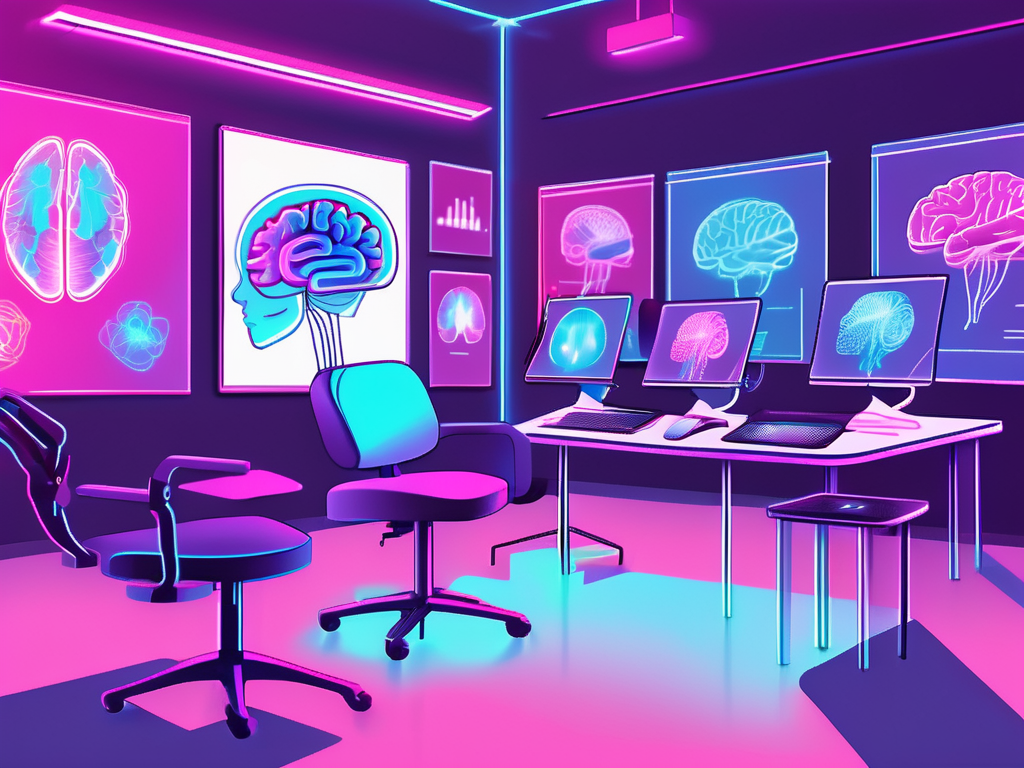
Neurodiagnostics is a complex and fascinating field that requires a deep understanding of the human nervous system and the various tools and techniques used to study it. As such, training programs in this field must be comprehensive, engaging, and innovative, leveraging the latest advancements in educational technology and pedagogy to ensure that students are well-prepared for their future careers.
Embracing Technology in Neurodiagnostic Education
In today’s ever-evolving healthcare landscape, neurodiagnostic professionals must be equipped with the most advanced, hands-on training methods to meet the growing demands of the field. From on-the-job training for neurodiagnostic professionals to cutting-edge simulation-based techniques, innovative educational approaches are reshaping how technologists are prepared for real-world clinical challenges. Whether you’re just beginning to explore EEG technician career paths or looking to enhance your existing skill set, embracing modern training methods is essential. Knowing how to build a neurodiagnostic team with well-trained, adaptable staff is a key component of long-term success for those leading teams or facilities.
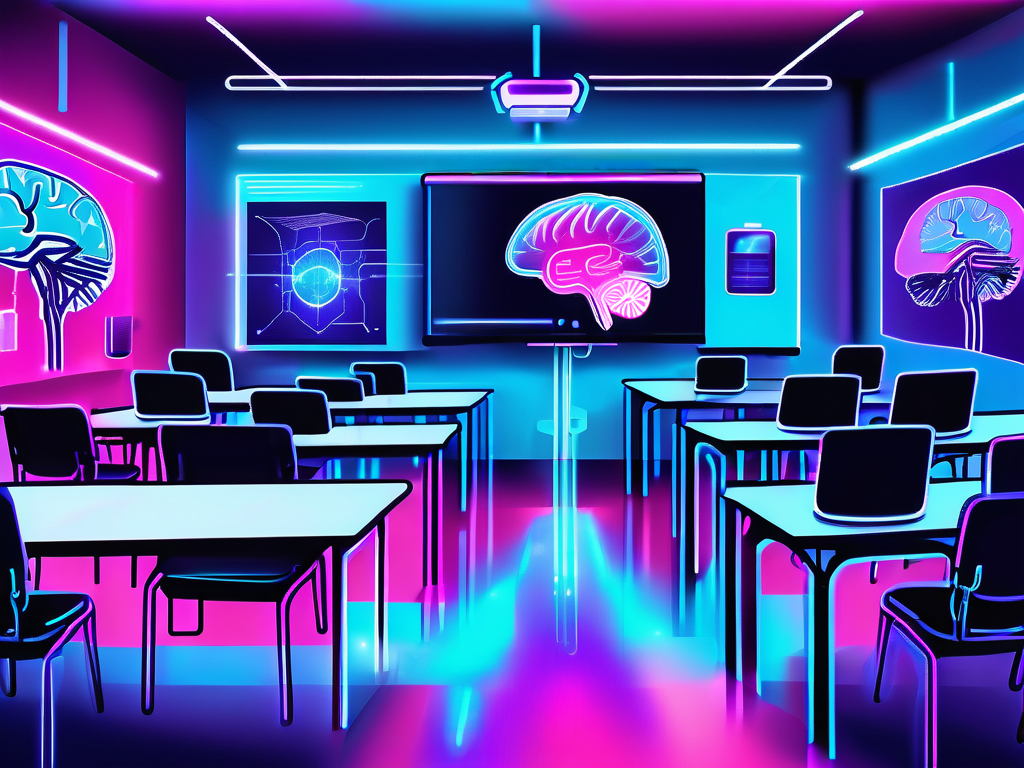
One way to do this is through the use of virtual reality (VR) and augmented reality (AR) technology. These tools can provide students with a more immersive and interactive learning experience, allowing them to explore the human nervous system in a way that would not be possible with traditional textbooks and lectures.
Virtual Reality in Neurodiagnostic Training
Virtual reality offers students a unique opportunity to explore the intricate structures of the nervous system in a fully immersive 3D environment. This can help enhance their understanding of complex concepts and processes, as well as improve their spatial awareness and hand-eye coordination—skills that are crucial in the field of neuro diagnostics.
For example, a VR-based neurodiagnostic training program could allow students to virtually ‘travel’ through the human brain, observing the various structures and processes in action. This could be accompanied by interactive quizzes and exercises, helping to reinforce the information learned.
Augmented Reality in Neurodiagnostic Training
Augmented reality, on the other hand, involves overlaying digital information onto the real world. This can be particularly useful in a neurodiagnostic training context, as it allows students to practice their skills in a more realistic and practical setting.
For instance, an AR-based neurodiagnostic training program could involve students using a real neurodiagnostic device, with the AR technology providing real-time feedback and guidance. This could help to improve their confidence and competence, as well as provide a more engaging and interactive learning experience.
Active Learning Strategies in Neurodiagnostic Training
Active learning strategies involve students actively participating in the learning process, rather than passively receiving information. These strategies can be particularly effective in a neurodiagnostic training, as they encourage students to think critically and apply their knowledge in a practical setting.
One example of an active learning strategy is problem-based learning, in which students are presented with a real-world problem and must work together to solve it. This not only helps to develop their problem-solving and teamwork skills but also allows them to apply their theoretical knowledge in a practical context.
Problem-Based Learning in Neurodiagnostic Training
In a neurodiagnostic training program, problem-based learning could involve students being presented with a case study of a patient with a particular neurological condition. They would then need to use their knowledge of neurodiagnostics to determine the most appropriate diagnostic tests and interpret the results.
This approach not only reinforces the theoretical knowledge learned but also provides valuable experience in clinical decision-making. It also encourages students to take responsibility for their learning, as they must actively seek the information they need to solve the problem.
Simulation-Based Learning in Neurodiagnostic Training
Simulation-based learning involves using simulations or scenarios to replicate real-world situations. This can be particularly effective in a neurodiagnostic training, as it allows students to practice their skills in a safe and controlled environment.
For example, a neurodiagnostic training program could use mannequins or computer-based simulations to replicate various neurological conditions. Students could then practice performing neurodiagnostic tests and interpreting the results, with the simulation providing immediate feedback and guidance.
Conclusion
In conclusion, innovative teaching methods such as VR and AR technology, active learning strategies, and simulation-based learning can greatly enhance the effectiveness of neurodiagnostic training programs. Providing a more engaging, interactive, and practical learning experience can help prepare students for the challenges and opportunities of a career in neurodiagnostics.
As technology continues to evolve and our understanding of the human nervous system deepens, neurodiagnostic training programs must continue to innovate and adapt. By doing so, they can ensure their students are well-equipped to contribute meaningfully to this exciting and rapidly evolving field.
Advance Your Career with Neuro Pathway
Ready to put your innovative neurodiagnostic training into practice? Neuro Pathway is here to guide you towards exciting job opportunities. With our dedicated Career Coaches and a wealth of resources, we empower you to navigate and advance your career confidently. Don’t miss out on the chance to join a community that values your expertise. Find New Job Opportunities today and take the next step in your professional journey with Neuro Pathway.