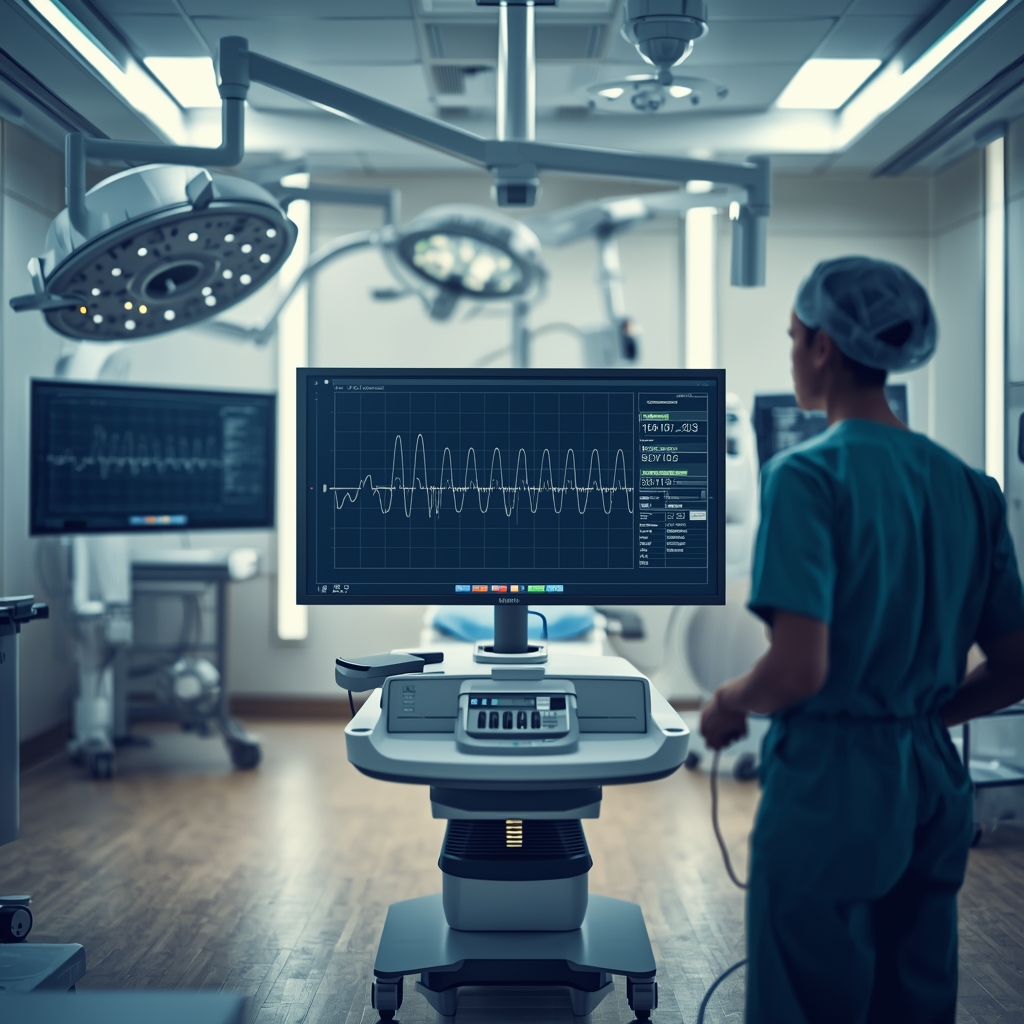
Intraoperative Neuromonitoring (IONM) is rapidly changing the landscape of modern surgery. As procedures become more complex, the need for highly skilled monitoring professionals grows. It is an exciting time to be in this field. However, moving from an entry-level position to a senior role requires more than just showing up. You need to cultivate a specific blend of technical and soft skills to truly excel.
Whether you are just starting out or looking for a promotion, focusing on the right areas is key. In this post, we explore the top skills that will help you secure better opportunities and advance your neurodiagnostic career.
Mastering Technical Proficiency
The foundation of any successful career in IONM is a deep understanding of the technology. Surgeons rely on you to be the expert on the equipment and the data it produces. While basic training covers the essentials, career advancement comes from mastering multiple modalities.
Top employers look for candidates who demonstrate proficiency in:
- EEG (Electroencephalography): Monitoring brain activity during vascular or cardiac procedures.
- EMG (Electromyography): Assessing muscle response to nerve stimulation.
- SEP (Somatosensory Evoked Potentials): Evaluating the integrity of sensory pathways.
- Nerve Conduction Studies: Measuring the speed of electrical impulses through nerves.
Expanding your technical skills makes you a versatile asset in the operating room. It allows you to handle a wider variety of cases, from spinal surgeries to craniotomies.
Sharpening Analytical Skills
Data collection is only half the battle. The true value of an IONM professional lies in their ability to analyze that data in real time. The operating room is a fast-paced environment where conditions change in seconds. You must be able to distinguish between true signal changes and artifacts caused by electrical interference or anesthesia.
Developing strong analytical skills means you can interpret complex waveforms quickly. You need to make confident decisions under pressure. This ability protects the patient from potential nerve damage and ensures the surgical team has accurate information when they need it most.
Clear Communication with the Surgical Team
You are the voice of the nervous system during surgery. If you see a warning sign, you must communicate it clearly and effectively. This involves more than just shouting out numbers. You need to build a rapport with the surgeons, anesthesiologists, and nurses.
Effective communication involves:
- Speaking with confidence when reporting a signal change.
- Listening to the surgeon’s feedback and adjusting monitoring plans.
- Collaborating with the anesthesia team to manage physiological factors affecting data.
Strong soft skills can separate a good clinician from a great one. A collaborative attitude helps the surgery run smoothly and builds trust with the medical staff.
Committing to Continuing Education
The medical field never stands still. New surgical techniques and monitoring technologies appear frequently. To stay competitive, you must commit to lifelong learning. This keeps your knowledge fresh and shows potential employers that you are dedicated to your craft.
Pursuing advanced certifications, such as the CNIM (Certification in Neurophysiologic Intraoperative Monitoring), is a significant step. Additionally, taking advantage of continuing education units (CEUs) helps you stay ahead of industry standards. Resources like online lectures and prep courses are excellent ways to maintain your credentials and learn new methods.
Leveraging Resources for Career Growth
Sometimes you have the skills and the drive, but you just need the right connection. Navigating the job market on your own can be difficult. This is where using dedicated industry resources becomes an essential skill in itself.
Partnering with a specialized organization like Neuro Pathway can accelerate your career trajectory. We connect neurodiagnostic professionals with healthcare organizations that specifically need their unique talents. Because we focus solely on this niche, we understand the value of your specific skill set better than general recruiters.
Take the Next Step in Your Career
Advancing in the field of intraoperative neuromonitoring requires a balance of hard technical knowledge and strong interpersonal abilities. By refining your skills in data analysis, communication, and continuing education, you position yourself as an indispensable part of the surgical team.
Your career growth is a journey, but you do not have to walk it alone. If you are ready to find a role that rewards your expertise and dedication, we are here to guide you.