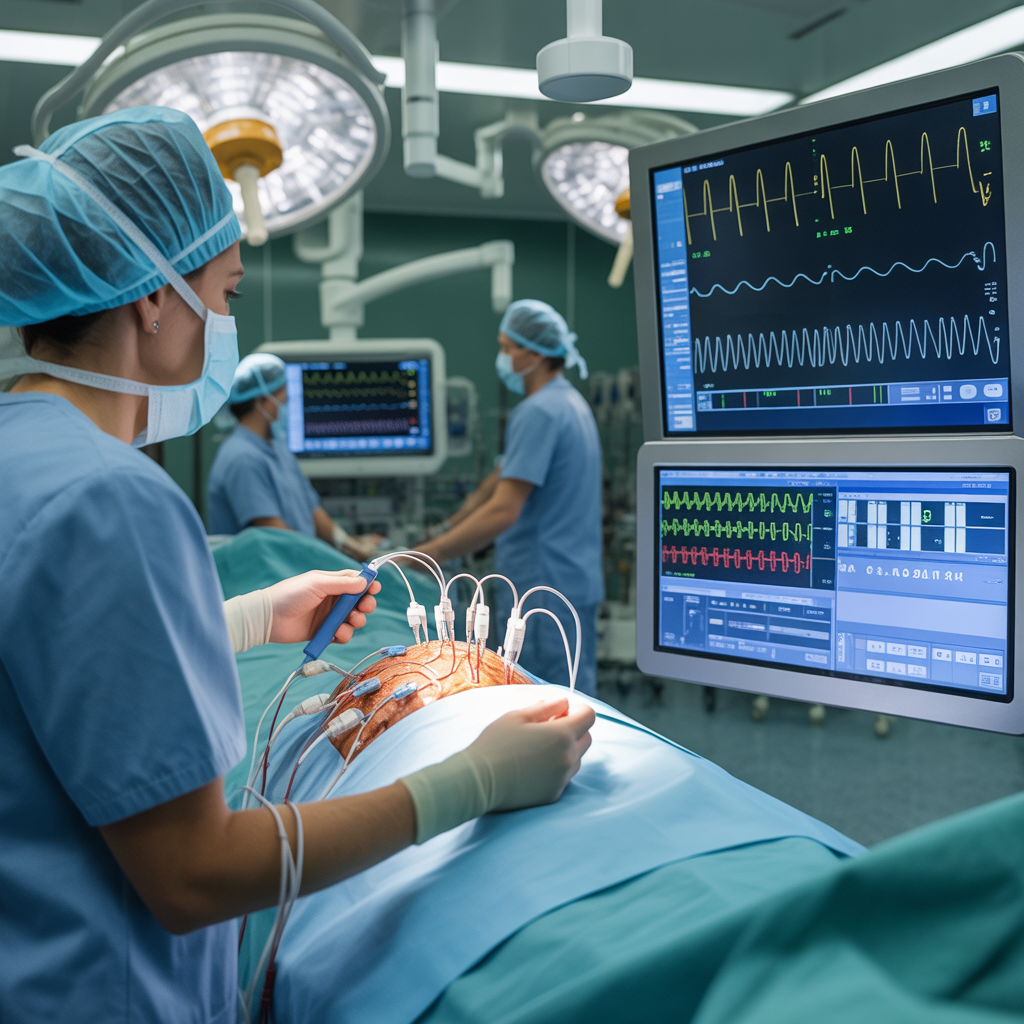
Stepping into an operating room as a neurodiagnostic professional is both exhilarating and a major responsibility. You are the silent guardian of the patient’s nervous system. Intraoperative Neuromonitoring (IONM) has evolved from a niche practice into a standard of care for complex surgeries, making the demand for skilled specialists higher than ever.
If you are just starting your journey in this field, the learning curve can feel steep. IONM is the real-time observation of neural integrity during surgery. Its primary goal is simple yet critical: to alert the surgeon of potential nerve damage before it becomes permanent. By mastering the fundamentals outlined below, you will position yourself not just as a technician but as a vital member of the surgical team.
The Pillars of Essential Knowledge
Success in IONM relies on a deep understanding of the human body. Before you can interpret waveforms on a screen, you must understand where they come from and what affects them. A strong foundation in the following areas is non-negotiable for new specialists.
Neuroanatomy Basics
You must know the map of the nervous system inside and out. This goes beyond basic textbook definitions. You need to understand the specific neural pathways at risk during different procedures. Key areas include the spinal cord tracts, cranial nerves, and the vascular supply to the brain and spine.
Physiological Principles
Understanding how the body functions under anesthesia is crucial. Anesthetic agents, body temperature, and blood pressure all impact the signals you monitor. A drop in signal amplitude might not always mean surgical injury; it could be a physiological change that you need to identify and communicate.
Surgical Procedures
Different surgeries require different monitoring modalities. Whether it is a scoliosis correction, a craniotomy for a tumor, or a vascular procedure, knowing the steps of the surgery helps you anticipate risks. When you understand the surgeon’s next move, you can be more vigilant during critical moments of the operation.
Mastering the Key Skills of a Specialist
Knowledge is the foundation, but practical application is what saves patient outcomes. As you gain experience, you will refine specific skills that separate an average monitorist from an expert.
- Monitoring Techniques: proficiency in modalities like Somatosensory Evoked Potentials (SSEP), Motor Evoked Potentials (MEP), and Electromyography (EMG) is essential. You need to know how to set up, run, and interpret these tests accurately in a high-pressure environment.
- Troubleshooting: Technology is not perfect. Wires get disconnected, and electrical interference happens. The ability to quickly identify whether a signal change is technical or physiological is a critical skill. You must stay calm and troubleshoot issues without disrupting the surgical flow.
- Communication: You are the voice of the nervous system. When you see a significant change, you must communicate it clearly and confidently to the surgeon. This requires a professional demeanor and the ability to speak up in a room full of senior medical staff.
Advancing Your Career with Neuro Pathway
Starting your career is just the beginning. The neurodiagnostic field is dynamic, with technology and standards constantly evolving. To stay competitive and effective, you need to commit to lifelong learning.
This is where leverage comes in. Using a dedicated resource like Neuro Pathway can significantly accelerate your professional growth. As a hub for the neurodiagnostic community, Neuro Pathway connects professionals with continuing education units (CEUs) and prep courses that help you stay sharp.
Furthermore, networking is vital. Connecting with a community of over 10,000 neurodiagnostic professionals can open doors to mentorship and new opportunities. Whether you are looking to refine your skills or find a role that values your expertise, utilizing a specialized network ensures you are not navigating your career alone.
Building a Future in Neurodiagnostics
Mastering IONM fundamentals takes time, patience, and dedication. By focusing on your anatomy knowledge, refining your technical skills, and learning how to communicate effectively in the OR, you will build a career that truly makes a difference.
Remember that you do not have to walk this path by yourself. There are resources designed to help you succeed at every stage of your journey.
Expand your knowledge and explore career opportunities with Neuro Pathway