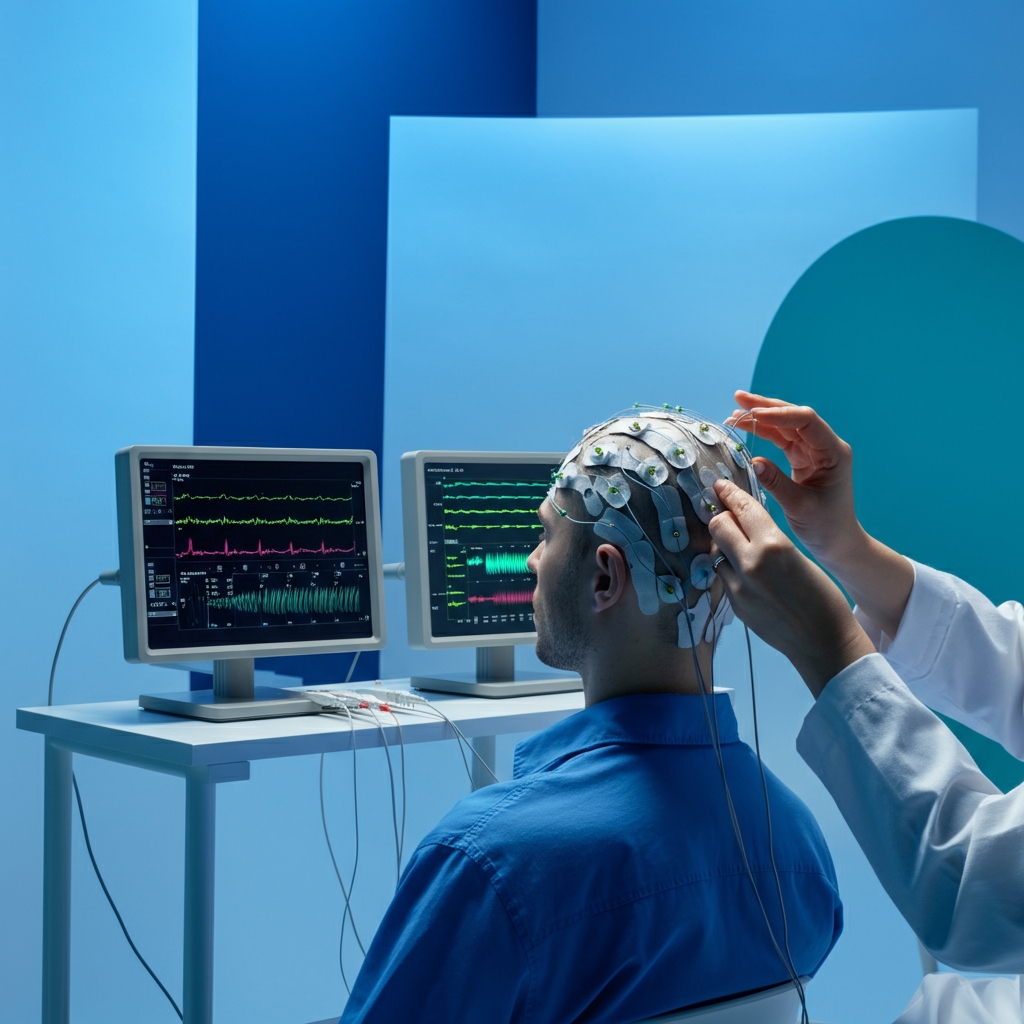
Embarking on a career as an EEG technologist is an exciting journey into the intricate world of neurodiagnostics. This field offers a unique opportunity to make a real difference in patients’ lives by providing critical data that helps diagnose neurological conditions. For new technologists, a key milestone in this career path is obtaining certification.
This guide will walk you through the essentials of EEG certification, explaining why it’s important and how you can achieve it. Understanding this process is the first step toward a successful and rewarding career in neurodiagnostics.
Why EEG Certification Matters
Obtaining your EEG certification is more than just adding a credential to your name; it’s a significant career move. Certification demonstrates your expertise and commitment to the highest standards of patient care. It validates your skills in performing EEGs, interpreting data, and maintaining equipment.
For employers, certified technologists are highly sought after. Certification often leads to better job opportunities, higher earning potential, and greater professional recognition. It proves you have the knowledge required to handle the complexities of neurodiagnostic testing, making you a valuable asset to any healthcare team.
Types of EEG Certifications
Several certifications are available for aspiring EEG and Intraoperative Neurophysiological Monitoring (IONM) technologists. Each one focuses on a specific area of expertise. The primary credentialing body is the American Board of Registration of Electroencephalographic and Evoked Potential Technologists (ABRET).
Here are some of the key certifications to consider:
- Registered EEG Technologist (R. EEG T.): This is the foundational certification for EEG techs. It confirms your competency in recording electroencephalograms.
- Certification in Neurophysiologic Intraoperative Monitoring (CNIM®): This certification is for technologists who specialize in monitoring a patient’s nervous system during surgery.
- Certification in Long Term Monitoring (CLTM™): This credential focuses on the skills needed for extended EEG monitoring, often used for seizure detection in epilepsy monitoring units.
- Registered Evoked Potential Technologist (R. EP T.): This certification is for technologists who perform evoked potential tests, which measure the brain’s response to sensory stimulation.
- Certified Autonomic Professional (CAP): This credential is for professionals who conduct autonomic testing, which assesses the part of the nervous system that controls involuntary functions.
EEG Certification Requirements
To become certified, you generally need a combination of education, clinical experience, and a successful exam score. While specific requirements vary by certification, most pathways require:
- A high school diploma or equivalent.
- Completion of a formal neurodiagnostic training program accredited by the Commission on Accreditation of Allied Health Education Programs (CAAHEP) OR a significant amount of on-the-job clinical experience.
- A current CPR/BLS certification.
- Passing the respective certification exam.
It’s crucial to check the specific eligibility pathway on the ABRET website to ensure you meet all the prerequisites before applying for an exam.
How to Prepare for the EEG Certification Exam
Preparing for your certification exam requires a dedicated study plan. The exam will test your knowledge of everything from neuroanatomy and electronics to patient safety and EEG pattern recognition.
- Review the Exam Content Outline: ABRET provides detailed outlines for each exam. Use this as a roadmap for your studies.
- Use Study Guides and Practice Tests: Many resources offer study materials and practice exams that mimic the format of the real test. This helps you identify your weak areas and get comfortable with the question style.
- Join Study Groups: Collaborating with peers can provide new perspectives and keep you motivated. You can discuss complex topics and quiz each other on key concepts.
- Gain Hands-On Experience: The more practical experience you have, the better you’ll understand the material. Connect what you’re learning in your studies to the work you do every day.
Advancing Your EEG Career
Earning your EEG certification is a major accomplishment that opens doors to new opportunities and career growth. It marks your entry into a community of dedicated professionals committed to excellence in neurodiagnostics.
At Neuro Pathway, we specialize in connecting qualified neurodiagnostic professionals with top healthcare organizations. If you’re ready to take the next step in your career, we can provide expert guidance and resources to help you find the perfect role.
Your next opportunity is waiting. Contact Neuro Pathway today to start your journey.